
 01Capsule
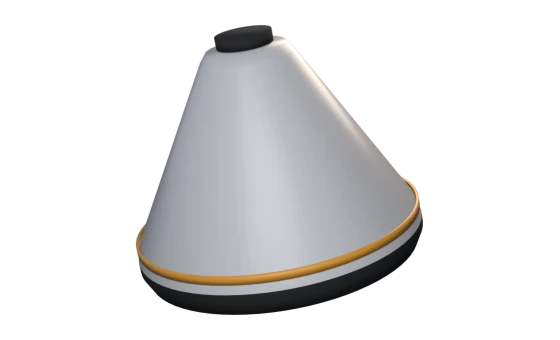
A conventional capsule relies primarily on aerodynamic drag during descent, with limited aerodynamic manoeuvrability.
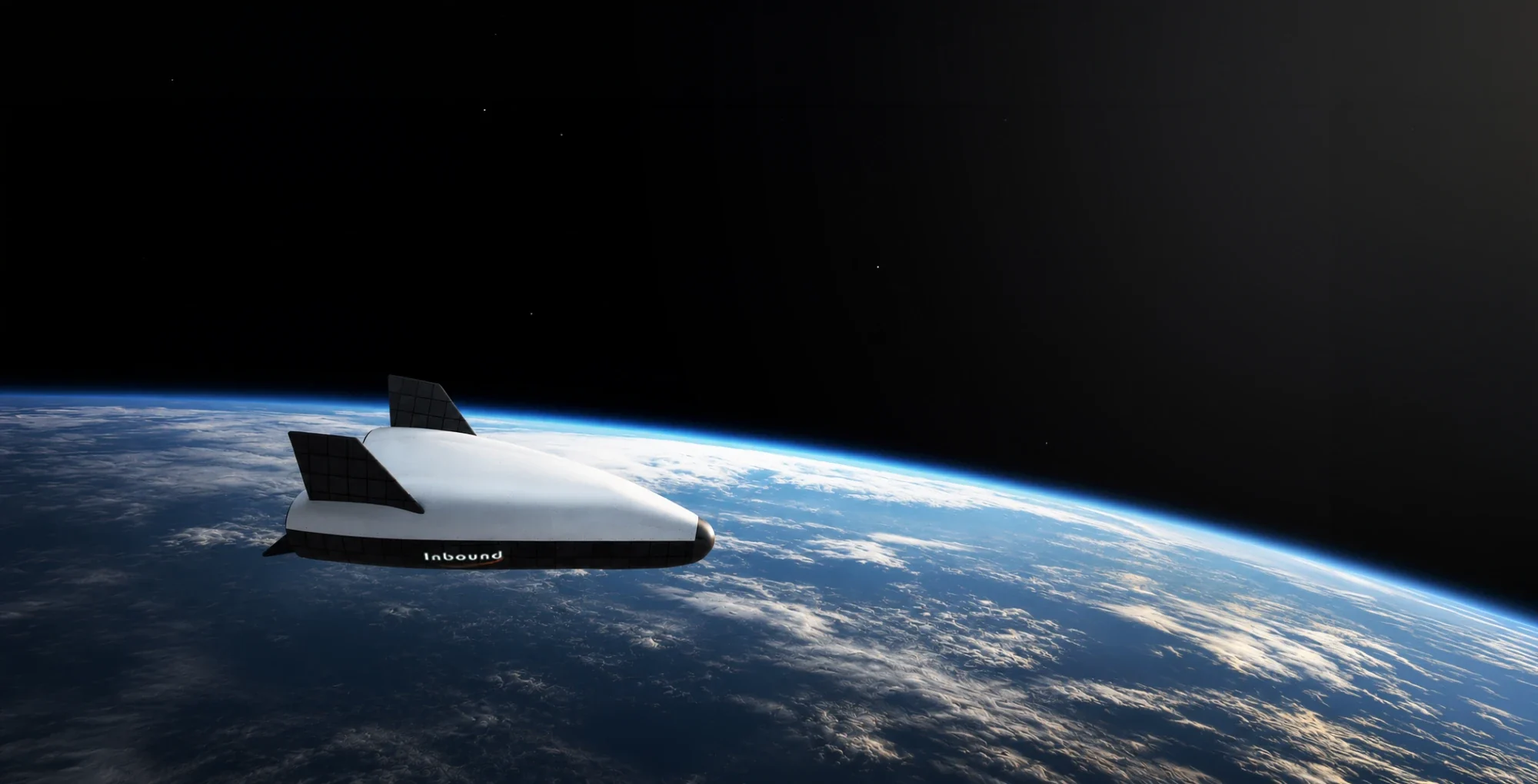
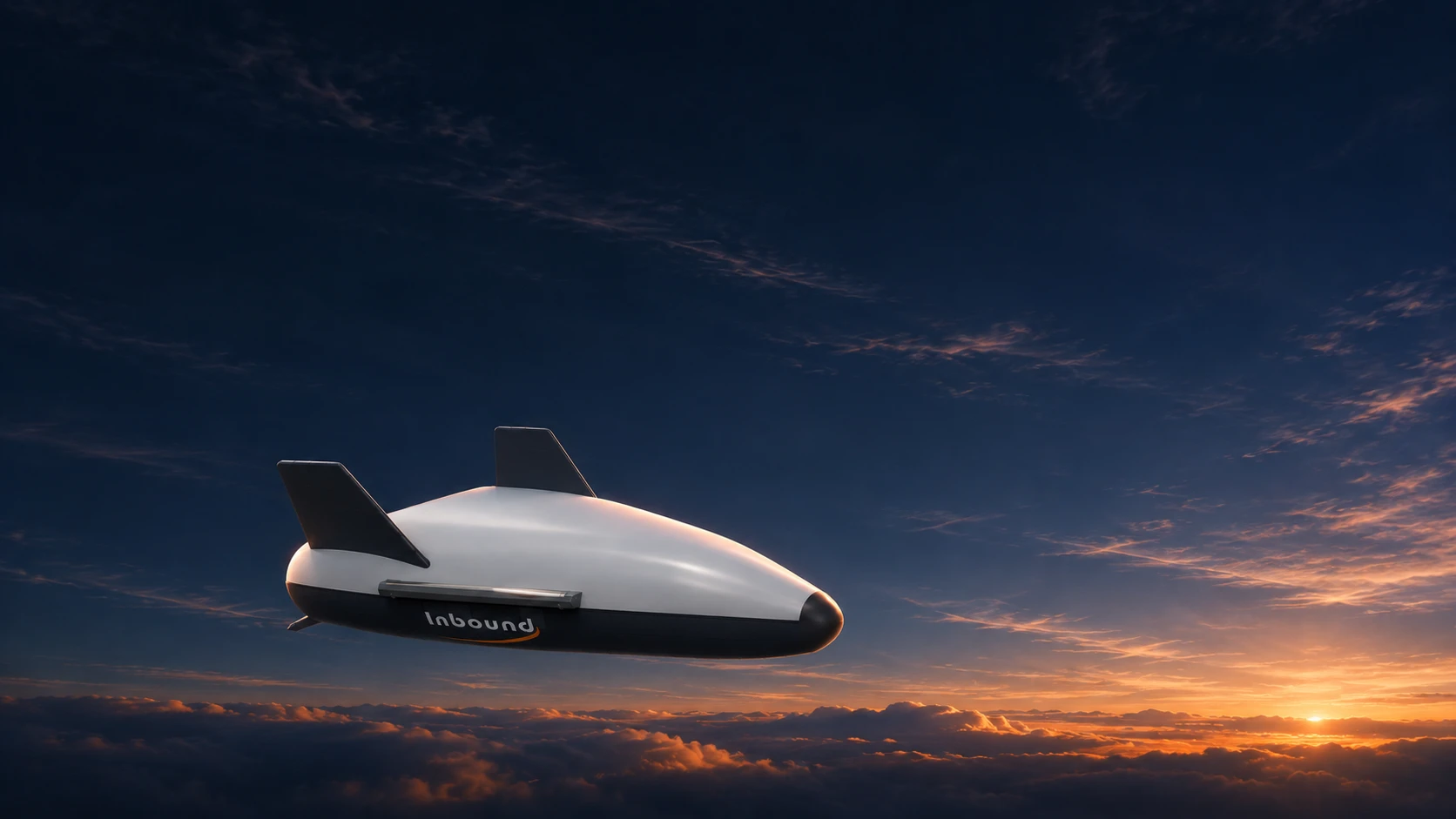
A reusable, autonomous lifting-body spacecraft designed to return payloads from Low Earth Orbit through controlled atmospheric re-entry and guided recovery.
Explore the spacecraft →There are different ways to bring a spacecraft back from orbit. Each involves trade-offs in aerodynamic performance, structural complexity and recovery.
01Capsule
A conventional capsule relies primarily on aerodynamic drag during descent, with limited aerodynamic manoeuvrability.
 02Winged spaceplane
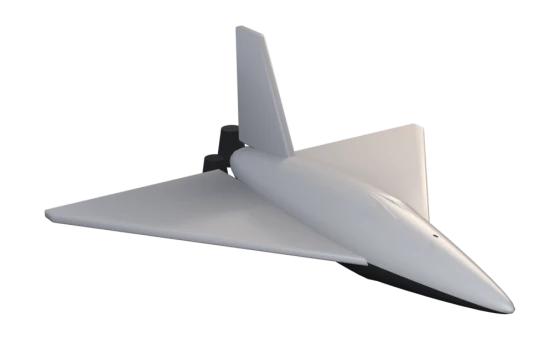
Wings generate lift and provide aerodynamic control, but add structural weight and complexity.
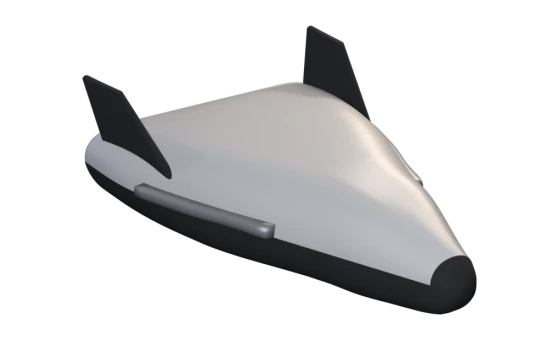 03Lifting body
The vehicle’s shape generates lift without conventional wings, offering an alternative approach to controlled atmospheric flight.
Inbound’s lifting-body architecture is designed to balance aerodynamic control with structural simplicity.
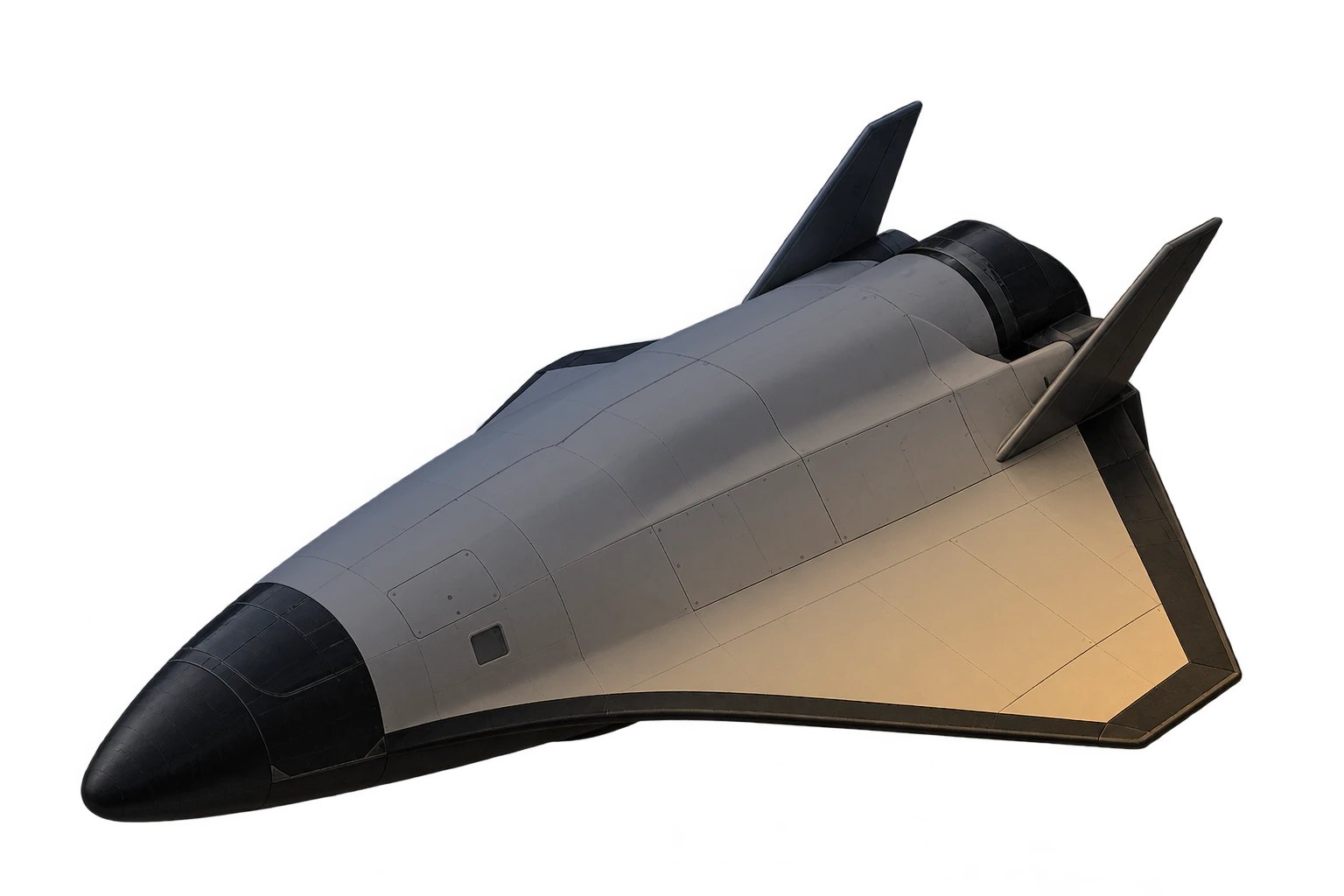
Click on the [+] to learn more
Reusable, autonomous lifting-body spacecraft
Low Earth Orbit
About 2 g, against 5 g and above for traditional capsules
On land, within about 100 m
Solar panels, descent system, thrusters
We’re developing the spacecraft technologies to make payload return a more accessible part of the orbital mission.
Discuss a mission with us →