Extended microgravity
Weeks of uninterrupted microgravity time for comprehensive research and experiments.
We are engineering the return leg of orbital logistics, to deliver smooth re-entries, targeted recovery, and rapid turnaround for the coming era of in-space innovation.
The problem
As commercial activity in Low Earth Orbit expands, the need to bring experiments, materials and hardware back to Earth is growing. But returning payloads safely and reliably remains a challenge.
Traditional capsule-based ballistic re-entries expose payloads to high deceleration loads and constrain recovery options.
Specialised vehicles and recovery operations make payload return costly.
Infrequent return missions make it difficult to plan experiments and schedule payload recovery reliably.
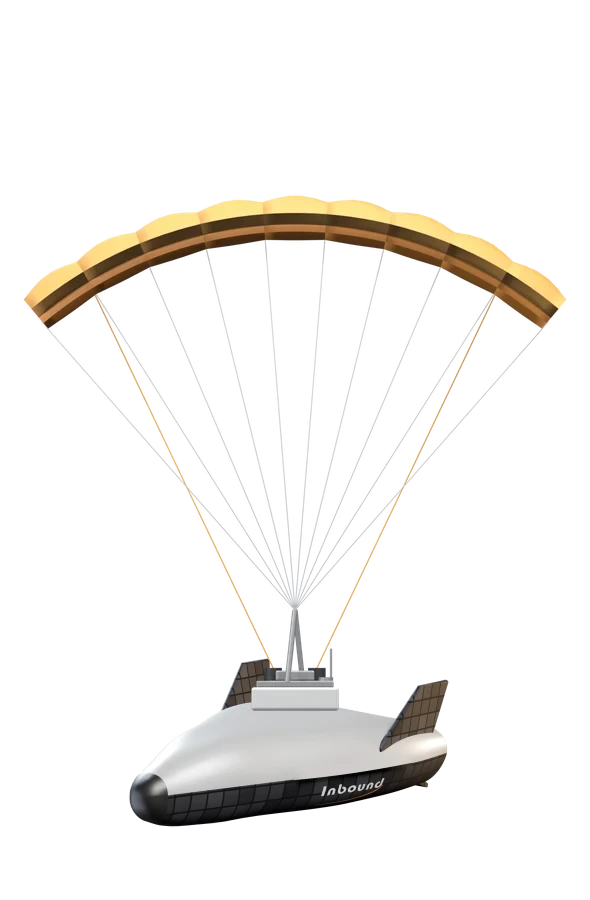
Inbound is developing a reusable, autonomous lifting-body spacecraft designed to bring payloads back from Low Earth Orbit. Its aerodynamic design enables controlled atmospheric re-entry and guided recovery, with the goal of making payload return more accessible and repeatable.
It is engineered for multi-mission ops, lowering downmass costs and increasing flight cadence for our partners.
Explore the spacecraft →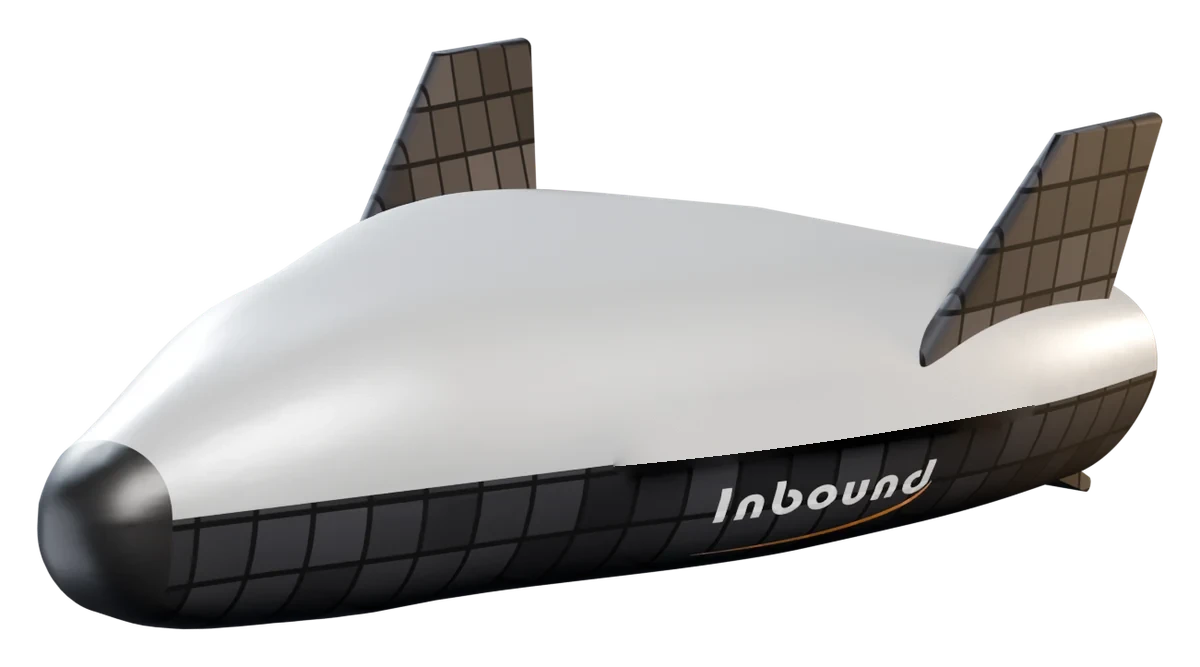
Inbound’s Precision Aerial Delivery Systems (PADS) include our autonomous ram-air parafoil systems for precision aerial delivery and recovery. The PADS range supports payloads from 10 kg to 2,000 kg across defence, humanitarian and industrial missions.
The same underlying technology is being adapted into a miniaturised Drone Safety System, in development, bringing guided parafoil recovery to unmanned aerial vehicles, with a focus on defence applications.
Explore PADS →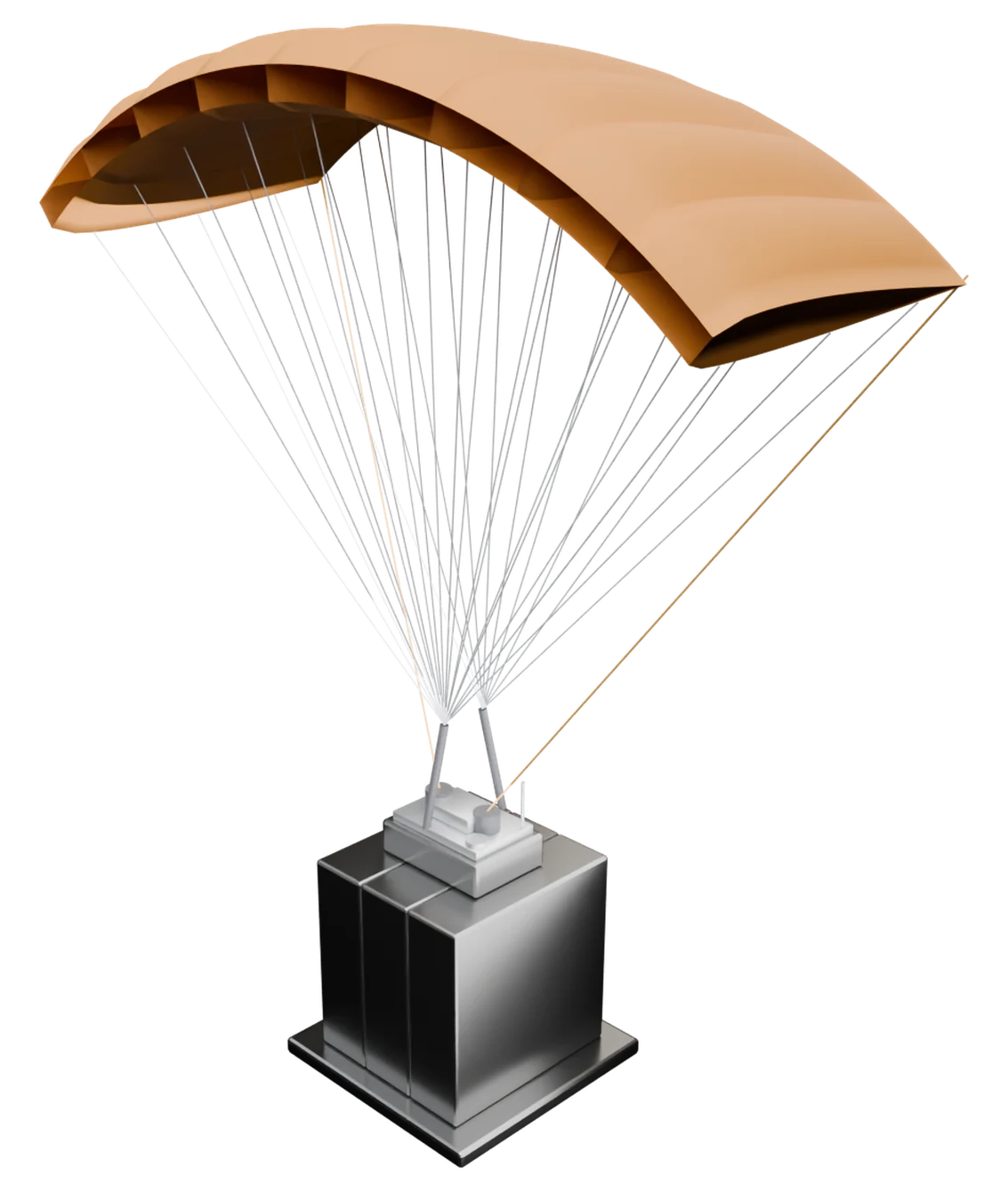
Weeks of uninterrupted microgravity time for comprehensive research and experiments.
No human interference. Fully automated systems ensure consistent conditions.
Gentle 2G re-entry versus 5G+ in traditional capsules, protecting sensitive experiments.
Runway landing capability anywhere on Earth with pinpoint accuracy.
Quick processing for time-sensitive experiments and reduced mission delays.
An affordable space-based research platform with reusable technology.
 01
Study biological systems, fluids and materials in the microgravity environment, then bring experiments back to Earth for analysis.
 02
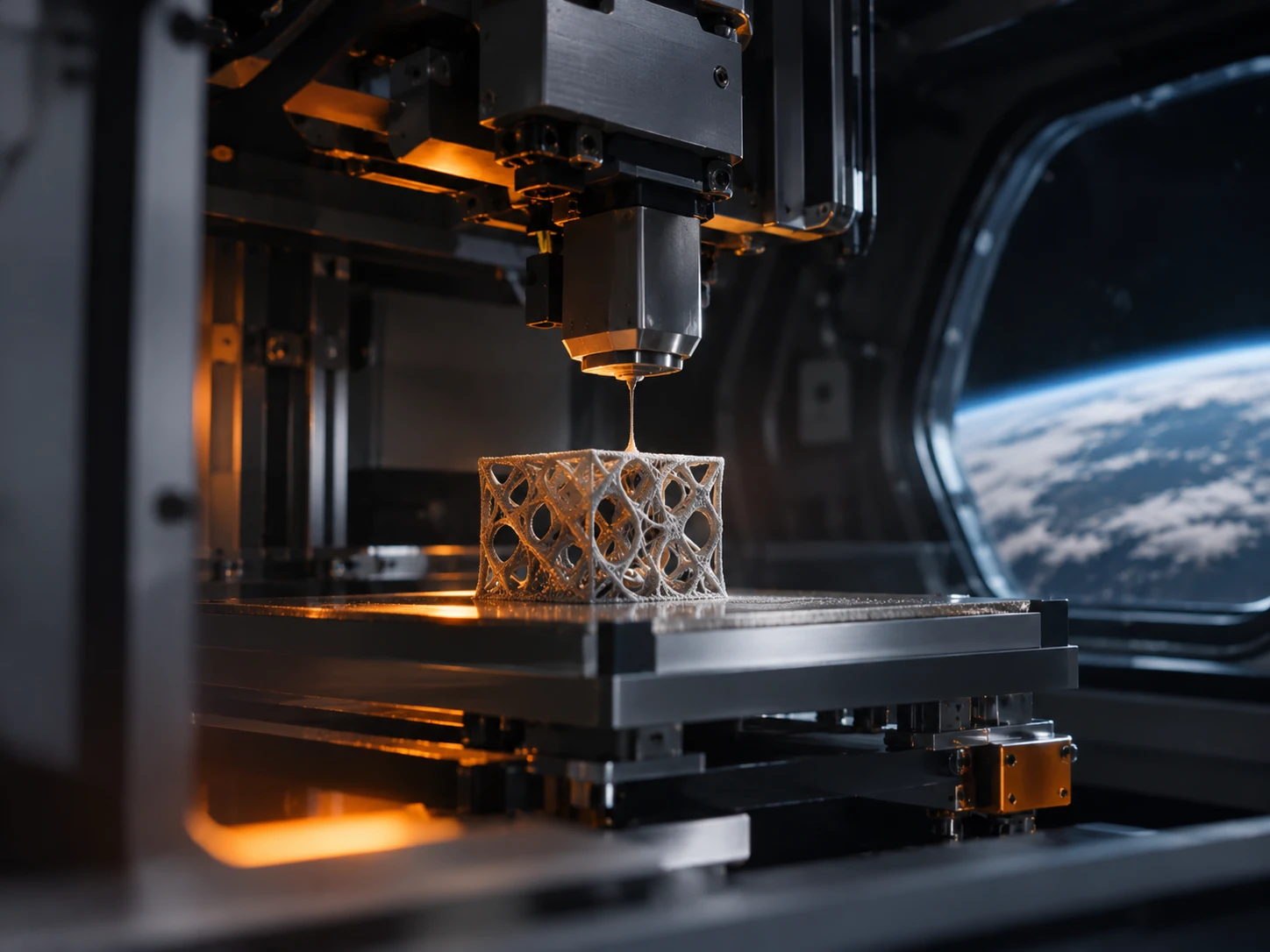
Explore the production of materials and products in orbit, including advanced semiconductor materials, specialty fibres and pharmaceutical compounds.
 03
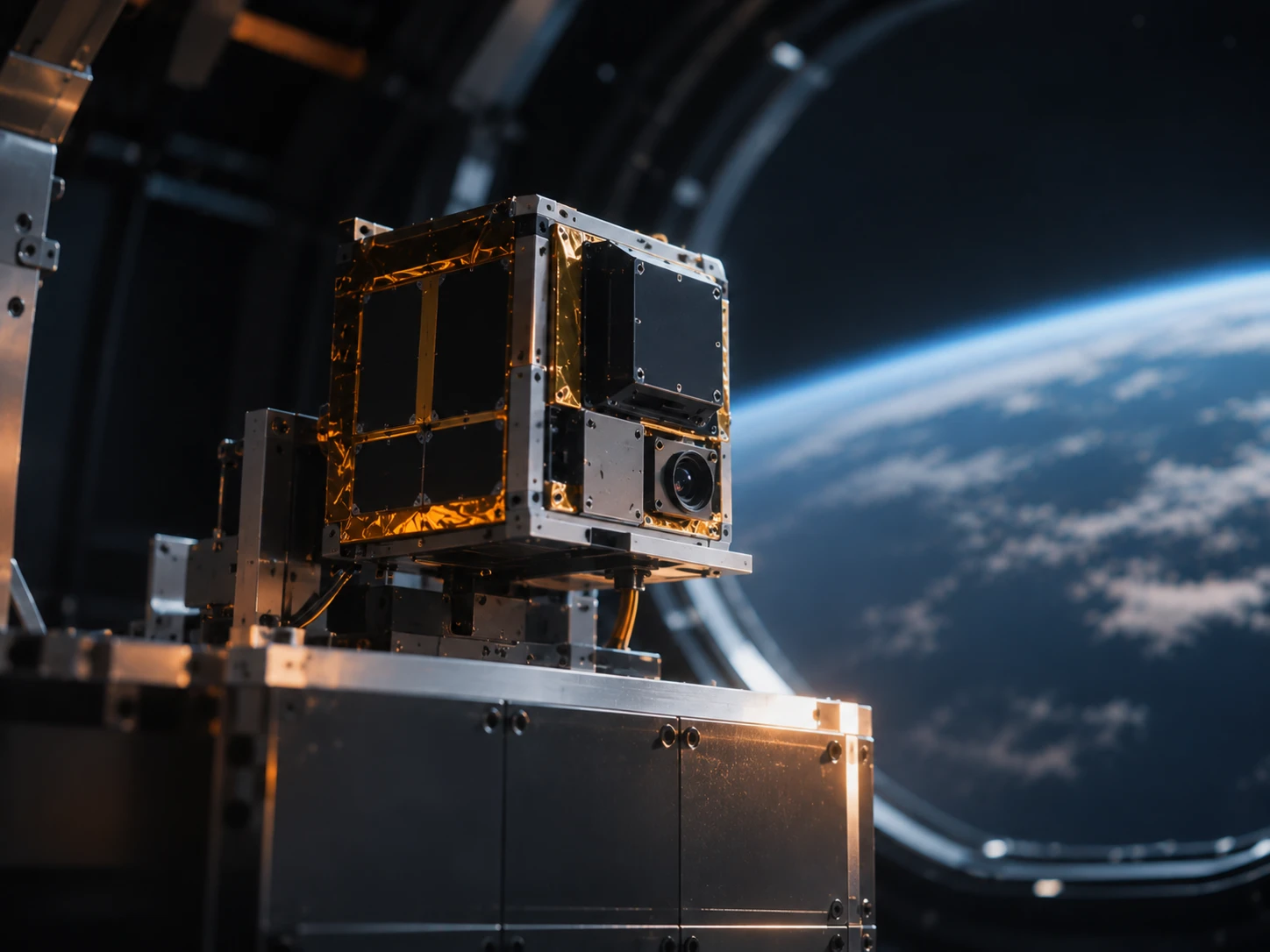
Test and validate hardware in the space environment, from sensors and avionics to new spacecraft components, with the ability to recover them for inspection.
 04
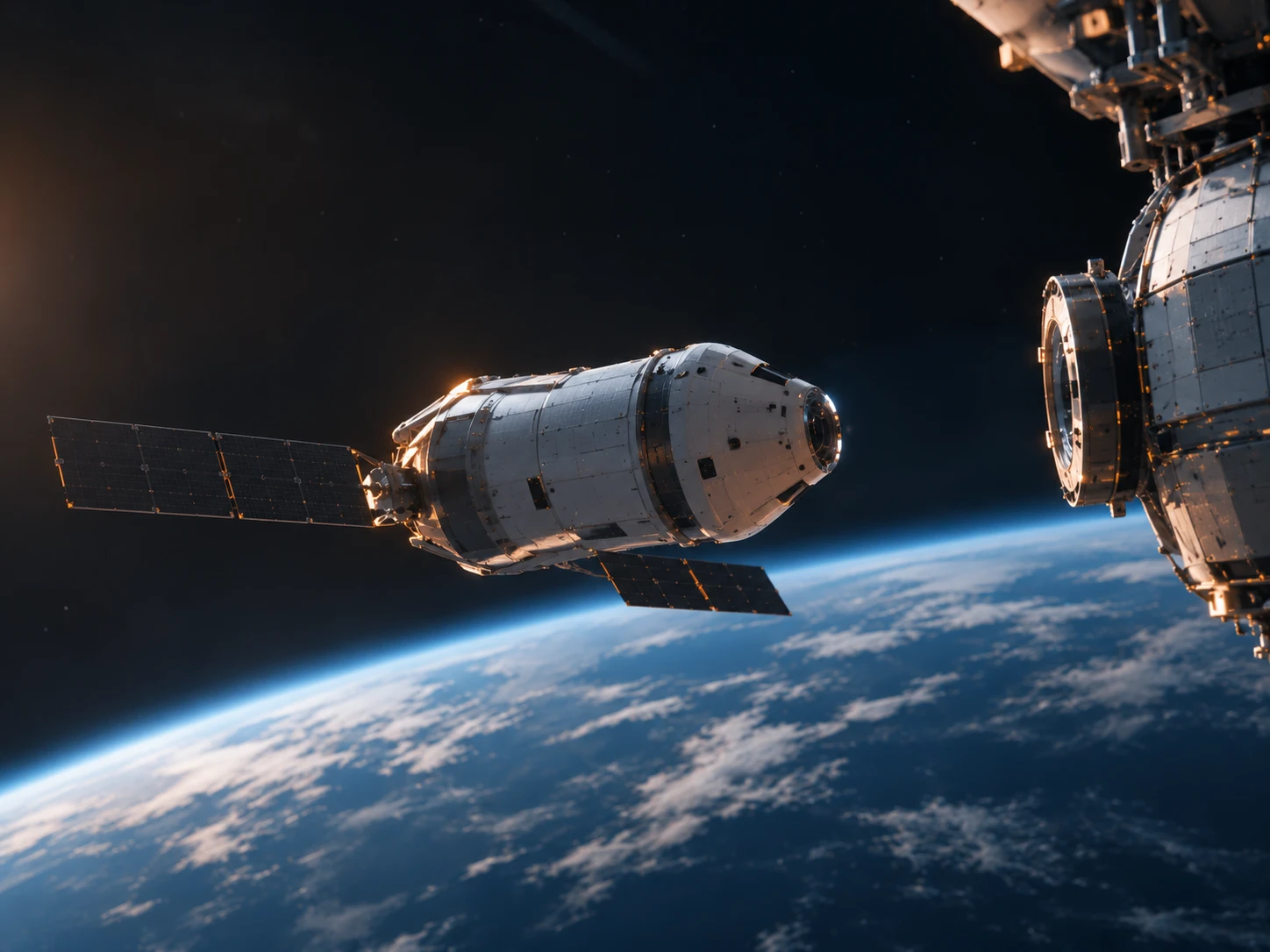
Enable the movement of cargo between orbit and Earth, supporting future space stations, commercial platforms and orbital infrastructure.